
Why Hotels Remain a Strategic Choice for Modern Meetings and Conferences
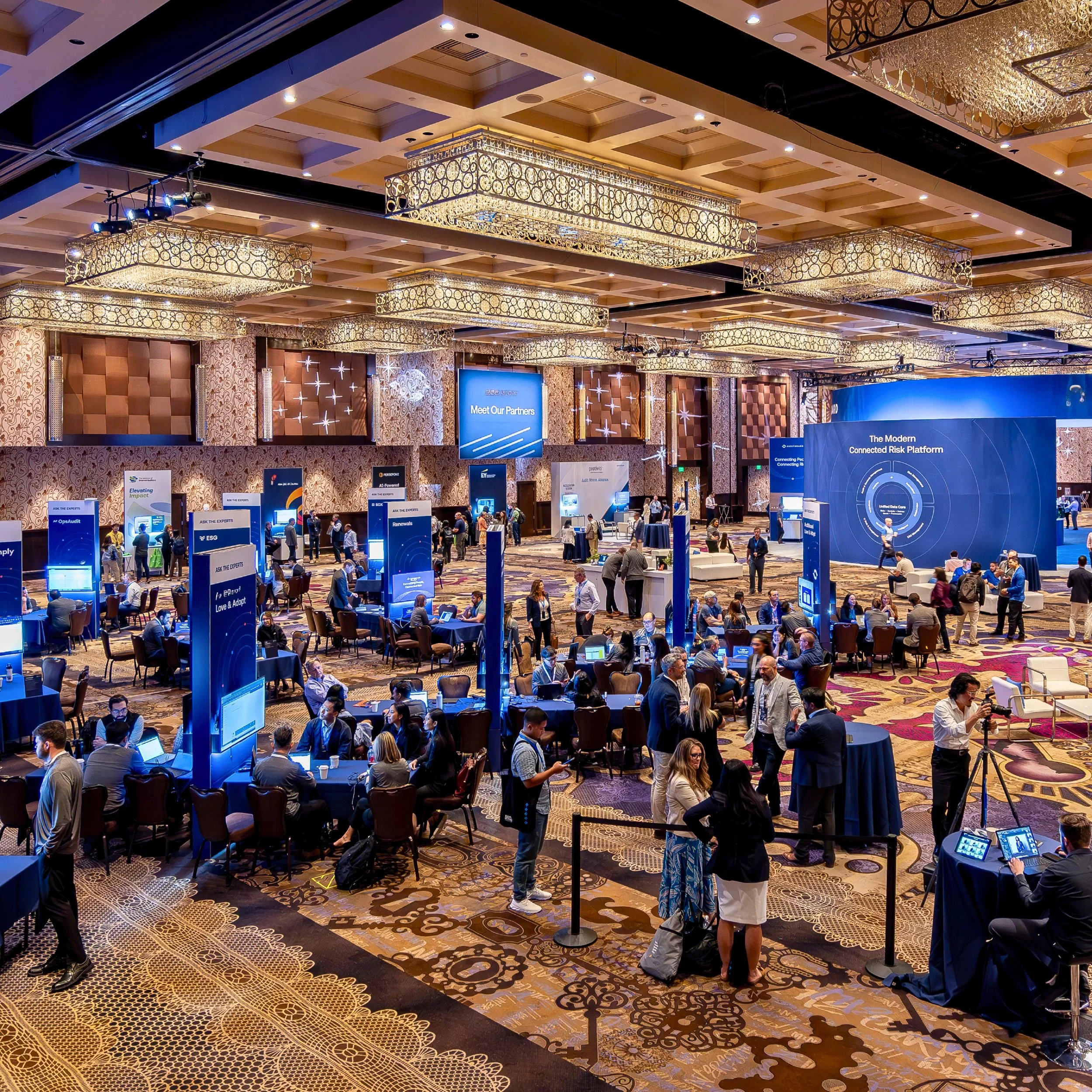
Many meeting planners continue to select hotels as the preferred setting for conferences, expos, and corporate gatherings. This choice is driven by the convenience, efficiency, and attendee experience that a well‑equipped hotel environment can provide. Understanding these advantages, along with the potential challenges, allows planners to make informed decisions that support successful events.
Benefits of Hosting Events in Hotels
Hotels offer a level of convenience that is difficult to match. Meeting space, guest rooms, dining options, networking areas, and entertainment are all located within the same property. Attendees can move seamlessly between sessions, meals, and social activities without leaving the building. This creates a more focused and productive environment for both participants and organizers.
Event management is also simplified when everything is centralized. Transportation logistics are reduced because there is no need to shuttle attendees between venues or manage weather‑related disruptions. Accessibility improves for guests with mobility considerations. Special events such as dinners, receptions, and private meetings can be held on site, often in unique or memorable spaces. Food and beverage quality is typically strong in hotel venues, and sponsors appreciate the constant visibility and access to attendees. With fewer logistical hurdles, planners can devote more time to programming and engagement.
Hotels also support stronger attendee interaction. With all activities concentrated in one location, networking opportunities increase naturally. Sponsors can deliver materials directly to guest rooms, provide welcome gifts, or share updates through in‑hotel communication channels. Hospitality suites offer additional opportunities for relationship building. Attendees also value the amenities that hotels provide, including restaurants, lounges, fitness centers, and spas, which contribute to a more enjoyable overall experience.
Considerations and Potential Challenges
Despite these advantages, planners should be aware of certain limitations. Older or historic hotels may not have been designed with modern meeting needs in mind. Loading docks may be limited, freight elevators may be small or inconveniently located, and meeting space may be constrained. Urban hotels often require on‑street loading with traffic management and no dedicated marshalling areas.
Frequent renovations are common as hotels work to maintain fresh and appealing facilities. Construction activity can create noise or other disruptions, so planners should always ask about renovation schedules and conduct site visits to confirm conditions. Shared spaces can also introduce noise from non‑event guests.
Many hotels require the use of in‑house or preferred vendors for audiovisual services, décor, floral, and food and beverage. Outside vendors, when permitted, often incur additional fees. Hotels may also require the use of their tables, chairs, linens, and china.
Staff turnover in sales and account management can affect continuity throughout the planning process. In addition, unless a group buys out the entire property, there is always a possibility that contracted space may be reassigned if a larger event books the same dates.
Our team has extensive experience navigating the unique operational and logistical requirements of hotel‑based events. We understand how to evaluate properties, anticipate challenges, and negotiate the details that protect your program and your budget. Our approach ensures that every element of your meeting is supported with the right expertise and the right partners. When you are ready to elevate your next event, we are prepared to guide the process from planning through execution with precision and reliability.